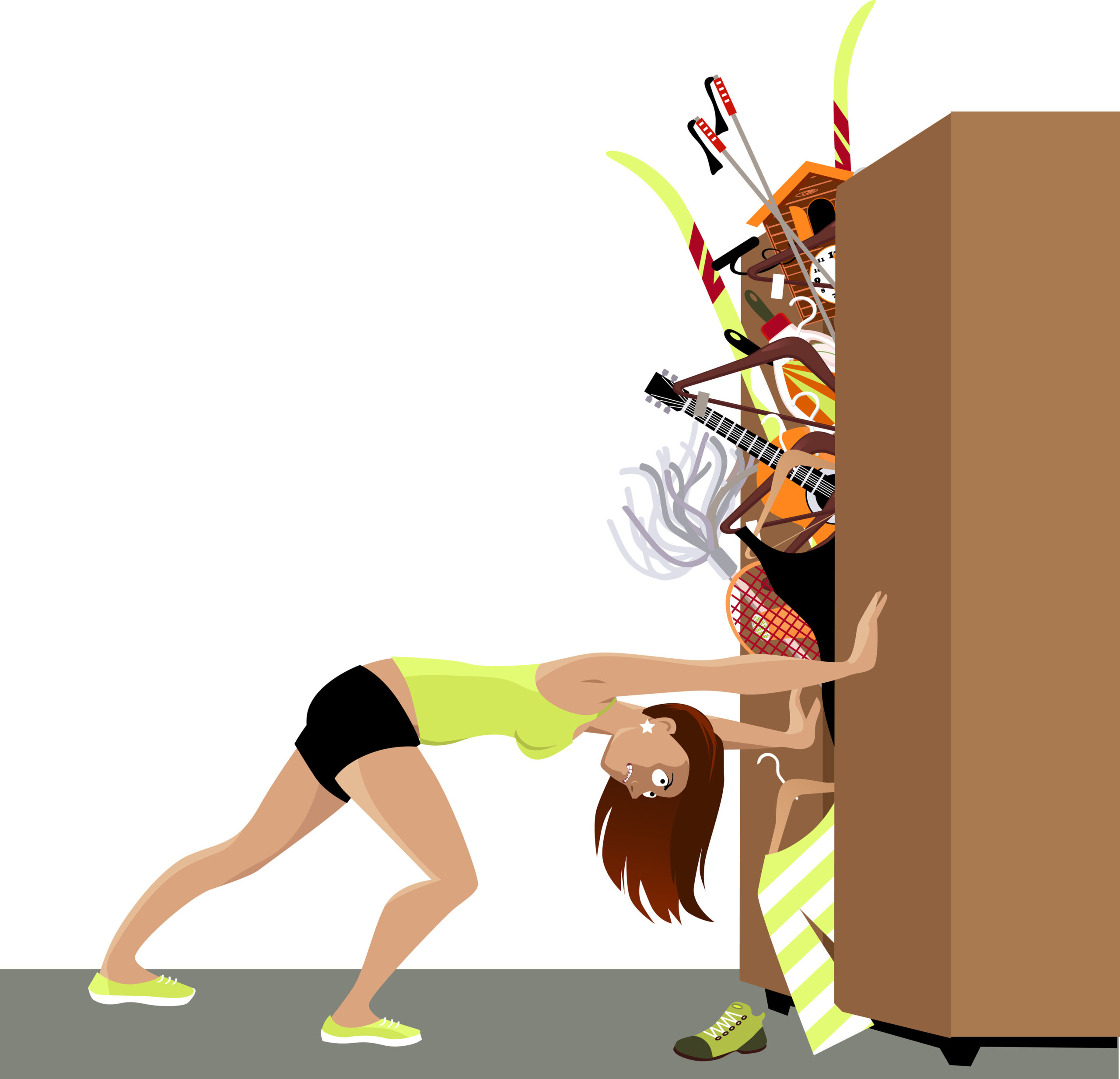

Hoarding Disorder

Understanding Hoarding: Assessment and Treatment

Hoarding can profoundly affect a person’s daily life, relationships, and overall well-being. At its core, hoarding involves persistent difficulty discarding possessions due to a strong perceived need to save them. This often leads to significant clutter that can make living spaces unsafe or unusable. Fortunately, effective assessments and evidence-based treatments are available.

View my website for more support: www.hoardinghelpmanitoba.ca
How I Assess Hoarding

  1. Initial Consultation
    I begin by discussing your experiences and challenges. This helps me understand the nature of your hoarding behaviors, potential triggers, and the impact on your day-to-day life.
  2. Standardized Assessments
    • Hoarding Rating Scale (HRS): Brief questionnaire or interview measuring clutter, difficulty discarding, acquiring, distress, and impairment.
    • Saving Inventory-Revised (SI-R): A self-report tool to assess the severity of hoarding, including acquisition, difficulty discarding, and clutter.
    • Clutter Image Rating (CIR): A visual scale to help identify clutter severity in different rooms of your home.
  3. Functional Impact Review
    Beyond clutter, I look at how hoarding affects activities of daily living (e.g., cooking, cleaning, moving around safely). Understanding these functional impacts helps us tailor treatment to meet your specific needs.
  1. Assessing Safety Risks
    Hoarding often creates serious safety concerns. I carefully evaluate factors such as obstructed walkways, piled items that could tip or fall, unsanitary conditions, and potential fire hazards. If necessary, I may collaborate with local resources or develop a plan to ensure exits and essential areas remain clear, helping you maintain a safer living environment.
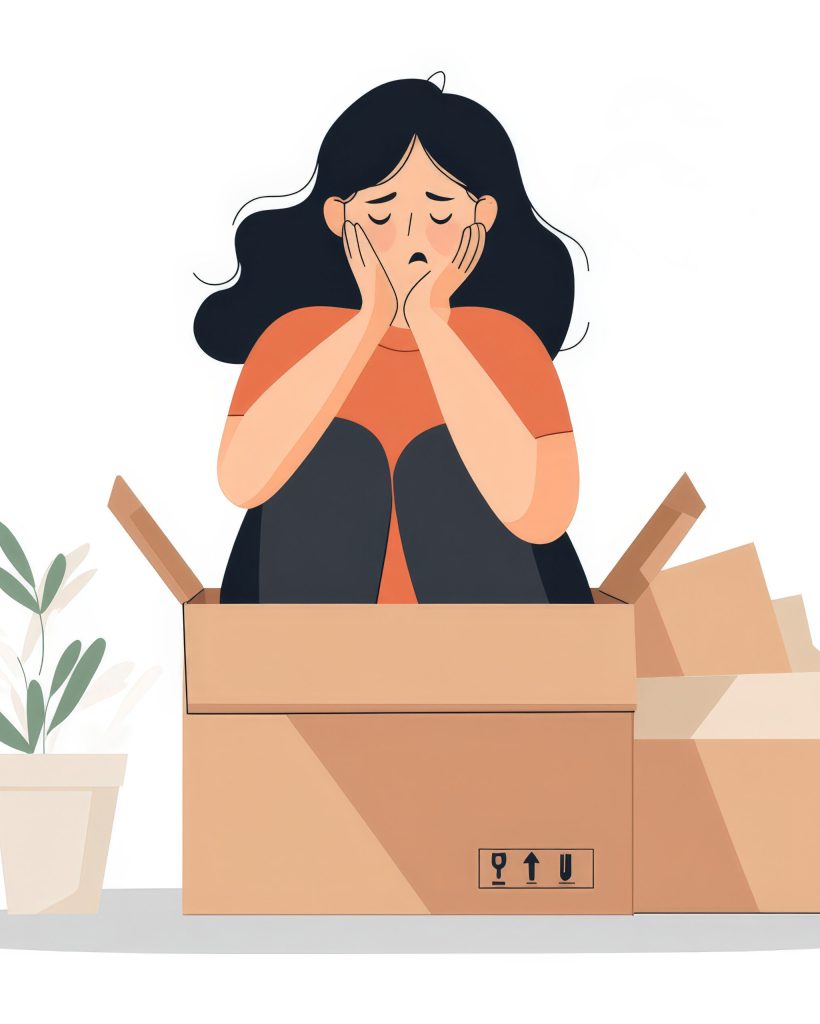
flat illustration of a frustrated woman sitting inside a cardboard box, resting her head in her hands, surrounded by boxes. The scene conveys emotions like stress and feeling overwhelmed

My Approach to Treatment

  1. Cognitive Behavioral Therapy (CBT) for Hoarding
    • Cognitive Restructuring: Identifying and challenging the beliefs that fuel the need to save items.
    • Skills Training: Learning organizational strategies and decision-making skills to determine which possessions to keep or discard.
    • Exposure and Response Prevention: Gradually facing the anxiety of discarding or not acquiring items, while learning to manage distress.
  2. Motivational Interviewing (MI)
    • Some individuals with hoarding may feel ambivalent about treatment. MI techniques can help enhance motivation and build readiness for change.
  3. Home-Based Interventions
    • When appropriate, sessions may take place in your home or include home visits to provide hands-on support in sorting, discarding, and organizing.
  4. Relapse Prevention
    • Hoarding is often a chronic condition that can re-emerge during stressful times. We’ll develop strategies and maintenance plans to help you sustain progress long-term.

Why Seek Professional Help?

  1. Safety & Health: Excessive clutter increases the risk of falls, fire hazards, and unsanitary conditions.
  2. Emotional Well-Being: Hoarding can lead to feelings of shame, guilt, or isolation.
  3. Relationship & Family Dynamics: Clutter often strains relationships with loved ones.
  4. Regaining Control: Treatment can help you reclaim your living space and experience greater freedom in daily life.

Getting Started

I understand that seeking help for hoarding can feel overwhelming. My goal is to provide a supportive, non-judgmental environment where you can begin to regain control over your living space and well-being.

If you or a loved one is struggling with hoarding, reach out today. I’m here to guide you through comprehensive assessment, evidence-based treatment, and lasting recovery strategies. You don’t have to face hoarding alone—together, we can work toward a healthier, safer, and more organized life.